
Humidity Control Solutions for Mold & Allergies
Maintain balanced indoor humidity to protect your home, improve indoor air quality, and reduce the risk of mold growth and allergens through effective moisture management.
AlorAir's solutions are engineered to provide long-term protection and support a healthier environment through comprehensive humidity control systems.
Introduction
Maintaining balanced indoor humidity is essential for protecting both your home and your well-being. Excess moisture creates favorable conditions for mold growth and allergen buildup, while overly dry air can irritate respiratory systems and damage building materials.
AlorAir humidity control solutions are designed to maintain stable indoor humidity levels—typically within the recommended 30–50% range—supporting healthier indoor air quality and long-term property protection.
Comprehensive Humidity Control for Health & Comfort
Why Indoor Humidity Balance Matters
Optimal Humidity Range (30–50%)
Industry authorities such as the EPA and ASHRAE (American Society of Heating, Refrigerating and Air-Conditioning Engineers) recommend maintaining indoor relative humidity between 30% and 50%. This range helps: • Limit mold growth and dust mite activity • Reduce moisture-related odors and condensation • Protect wood floors, furnishings, and electronics • Support overall indoor comfort
When Humidity Is Too High
Humidity levels consistently above 60% can encourage mold growth and allergen accumulation. Research published in journals such as the Indoor Air Journal shows that elevated humidity can worsen indoor air quality and contribute to respiratory discomfort in sensitive individuals.
When Humidity Is Too Low
Humidity below 30% may dry out skin, nasal passages, and wooden materials. In colder months, overly dry air can cause hardwood floors to crack, increase static electricity, and reduce perceived comfort.
Common Signs of Humidity Problems in the Home
- Signs of Excess Humidity
- Condensation on windows or walls
- Mold or mildew in basements and corners
- Persistent musty odors
- Increased allergy or respiratory irritation
- Warped wood floors or furniture
- Signs of Low Humidity
- Dry or cracked wood floors and furniture
- Dry skin, lips, and eye irritation
- Static electricity near electronics
- Respiratory irritation and sore throats
- Plants drying out quickly
Benefits of a Balanced Humidity Control System
Health & Air Quality Support
Maintaining proper humidity helps limit airborne irritants such as mold spores and dust mites, contributing to more comfortable breathing conditions—especially for allergy-sensitive households.
Property Protection
Stable humidity protects drywall, insulation, wood flooring, and structural components from moisture-related deterioration or excessive drying.
Energy Efficiency
Properly balanced air feels warmer in winter and cooler in summer, reducing HVAC strain and potentially lowering energy consumption.
Whole-Home Comfort
Eliminates uneven conditions such as damp basements and overly dry upper floors by delivering consistent humidity throughout the home.
Advantages of HVAC-Integrated Humidity Control
Humidity and temperature work together to define indoor comfort. Integrating a whole-home dehumidifier with an existing HVAC system enables precise, centralized humidity management.
Benefits include:
- Uniform humidity control across all rooms
- Improved HVAC efficiency
- Reduced microbial growth risk in ductwork
- Automated operation with minimal maintenance

AlorAir Whole-Home Dehumidifier Solutions
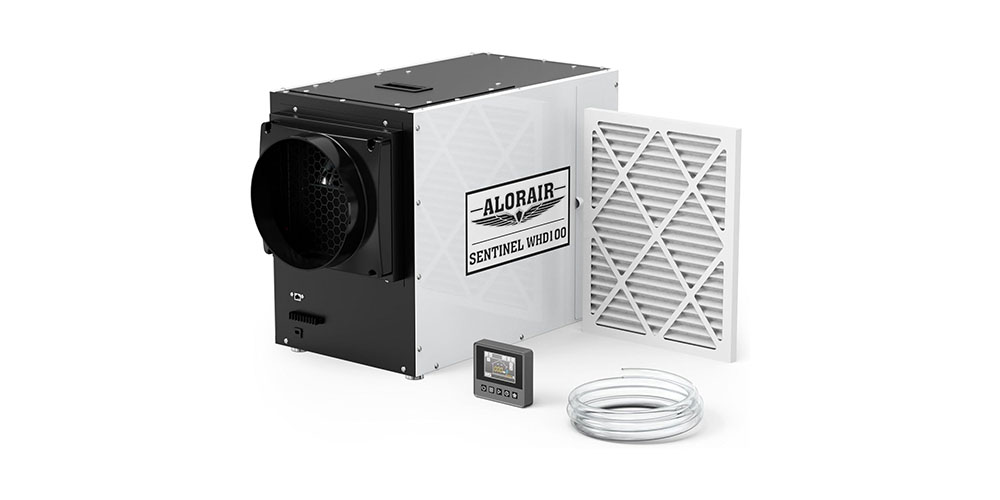
Sentinel WHD 100
- yes
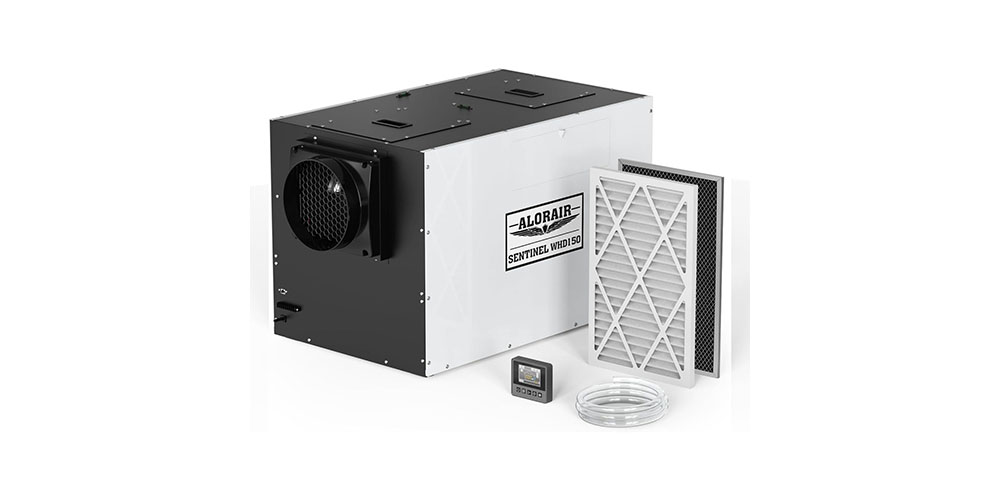
Sentinel WHD 150
- yes
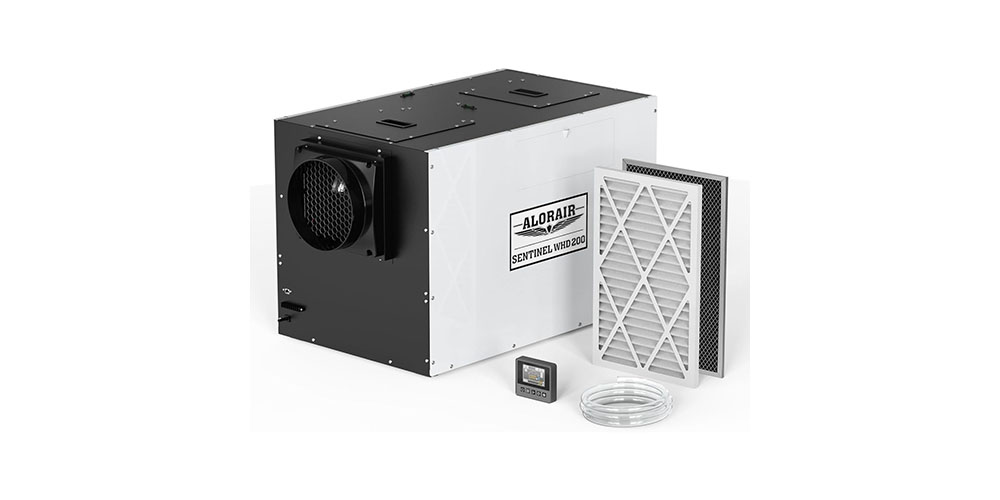
Sentinel WHD 200
- yes
How AlorAir Delivers Consistent Humidity Control
Whole-Home Stability
Maintains even moisture levels from basement to attic, reducing localized humidity problems.

Rapid Moisture Response
Quickly removes excess humidity after leaks or seasonal moisture spikes.

Improved Indoor Comfort
Balanced humidity supports better air quality and year-round comfort.

Energy-Conscious Performance
Efficient operation helps lower energy usage and extends HVAC system lifespan.

Frequently Asked Questions
What is the ideal indoor humidity level for preventing mold?
Most industry authorities, including the EPA and ASHRAE, recommend maintaining indoor relative humidity between 30% and 50%. Staying within this range helps limit conditions that allow mold to grow while protecting building materials and indoor comfort.
Can a dehumidifier help with mold and allergy-related concerns?
Is a whole-house dehumidifier better than portable units?
Can a whole-home dehumidifier be connected to my HVAC system?
Why does my basement stay damp even when the rest of the house feels dry?
How do I choose the right dehumidifier size for my home?
Dehumidifier sizing depends on factors such as home size, climate, existing moisture levels, and whether the system is HVAC-connected. Whole-house systems are typically sized by square footage and daily moisture removal capacity. Explore our determine the right dehumidifier size.
