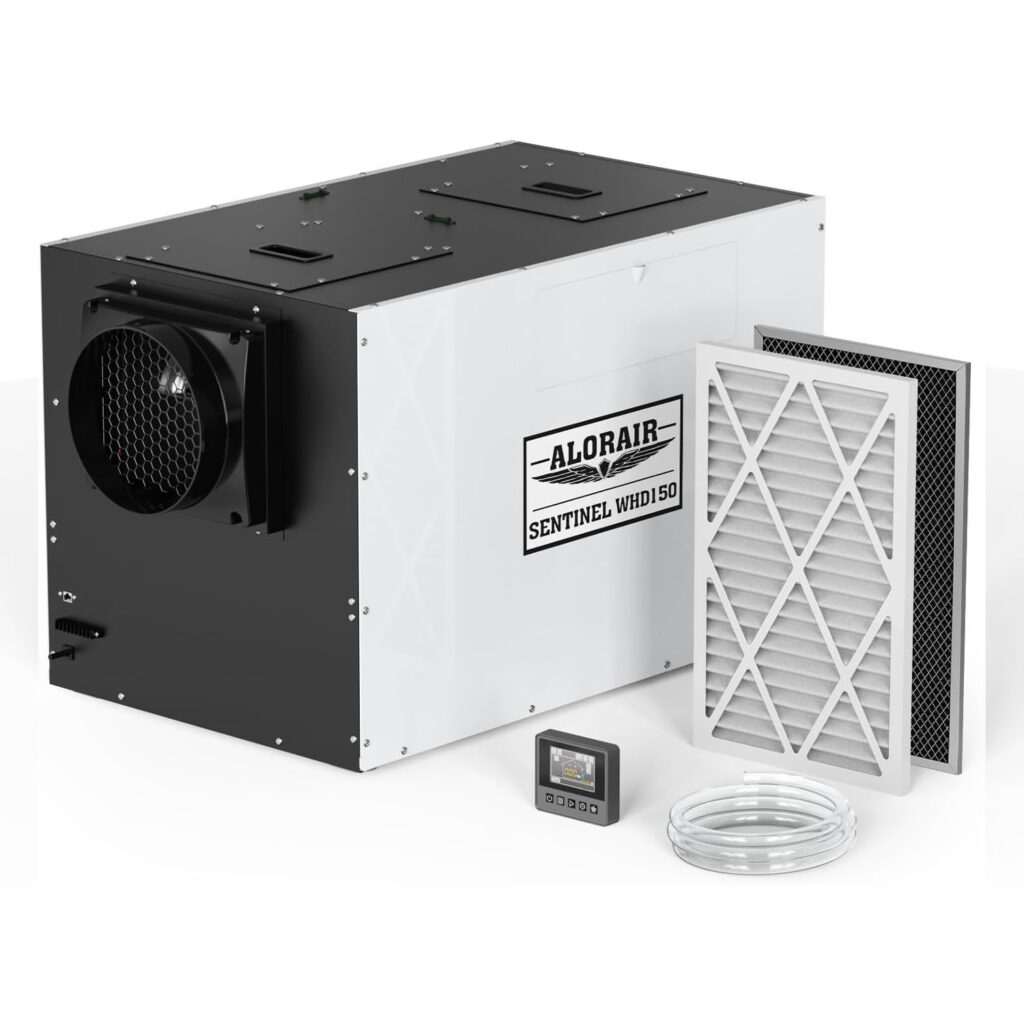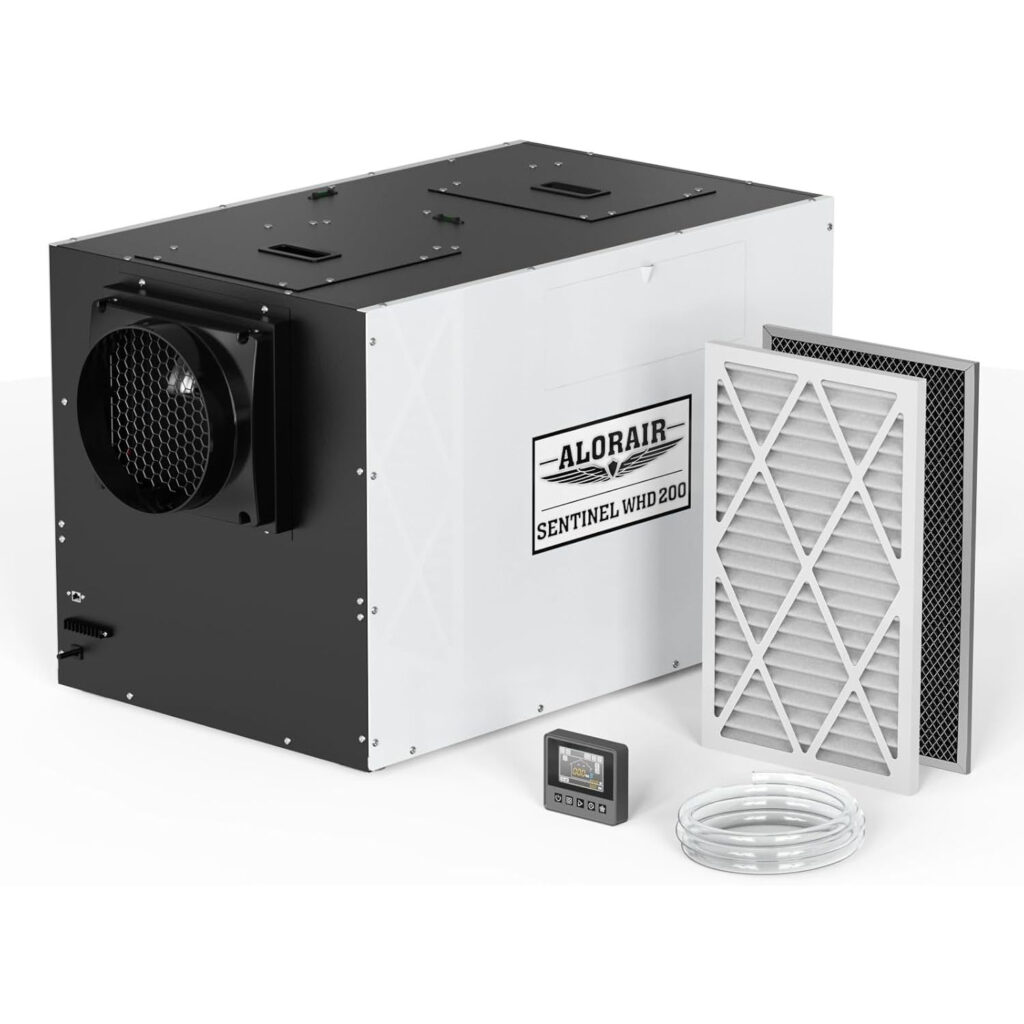
Whole House Dehumidifier Systems for Basements & Large Homes

Advanced dehumidifier systems with smart controls, HVAC integration, and complete drainage solutions — designed for homes up to 4,500 sq ft.

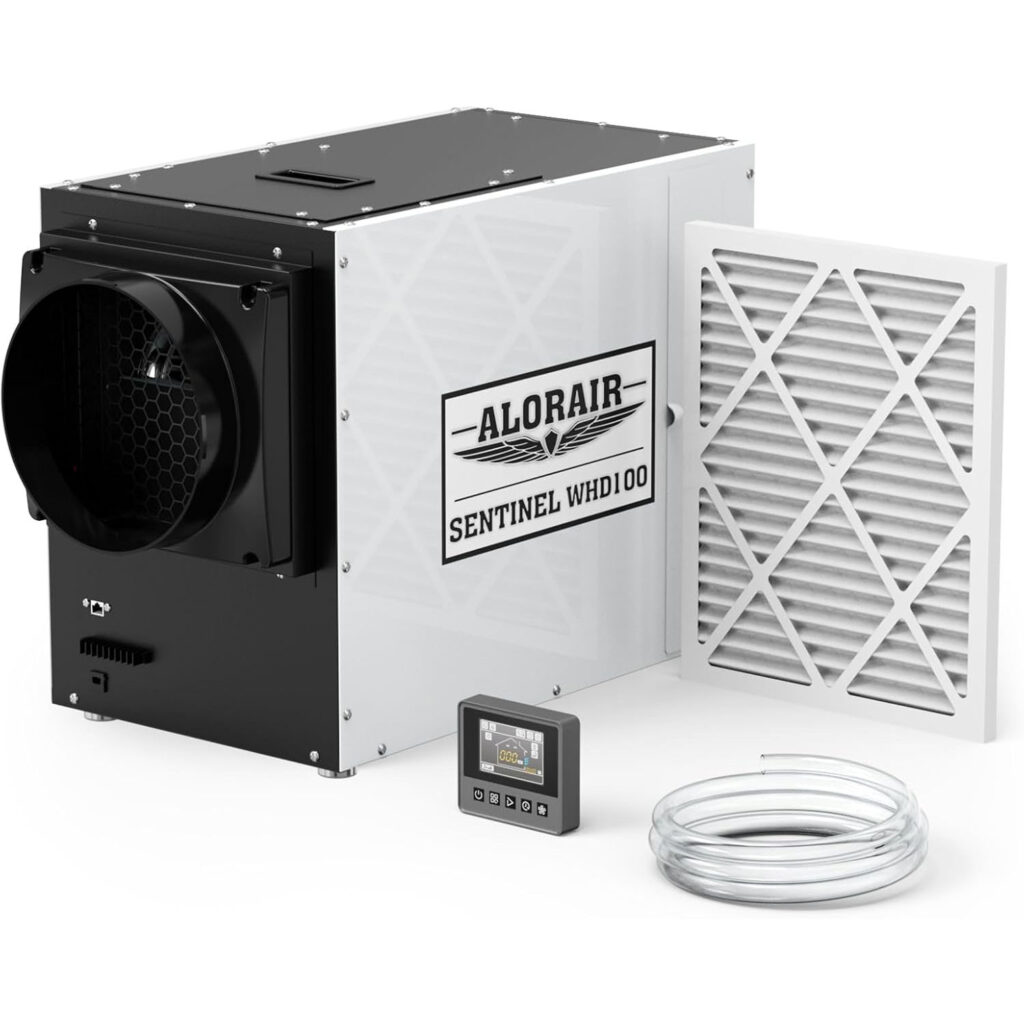
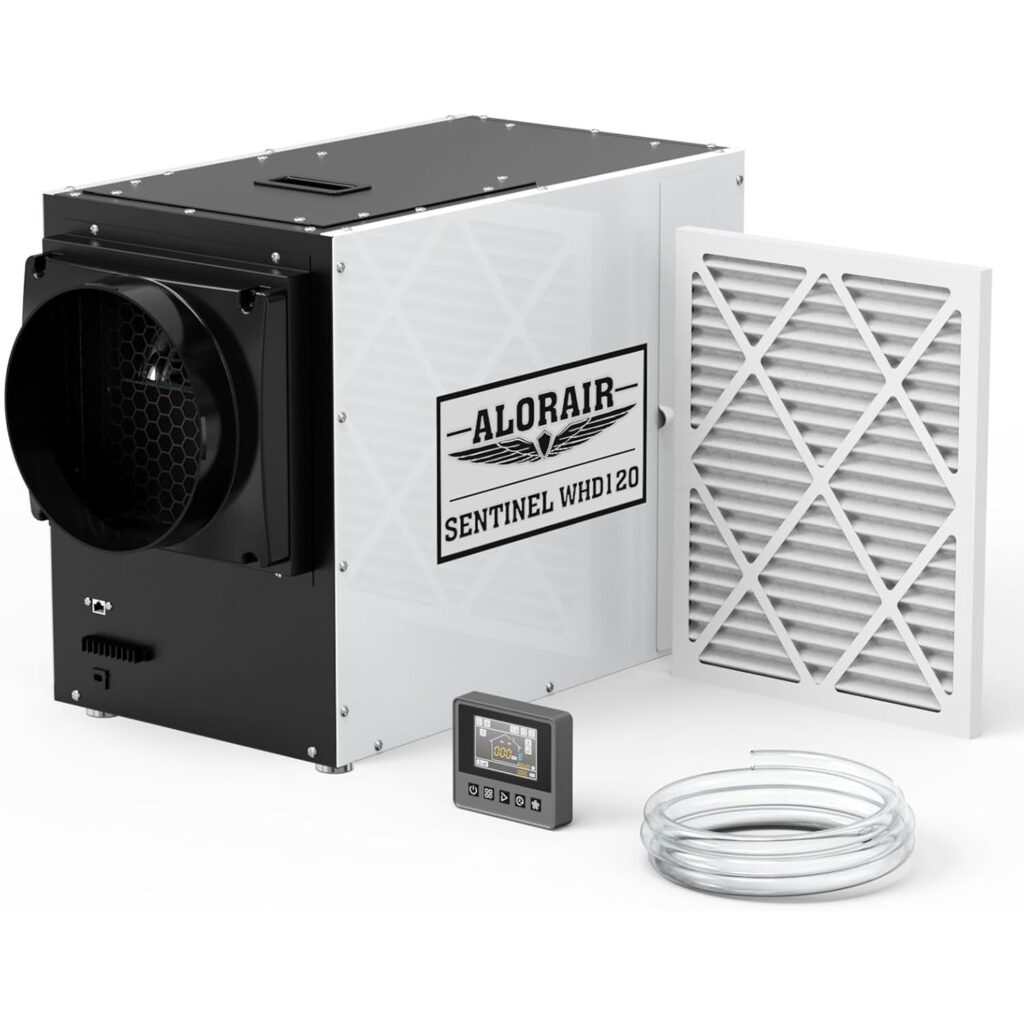
AlorAir Whole House Dehumidifier Systems

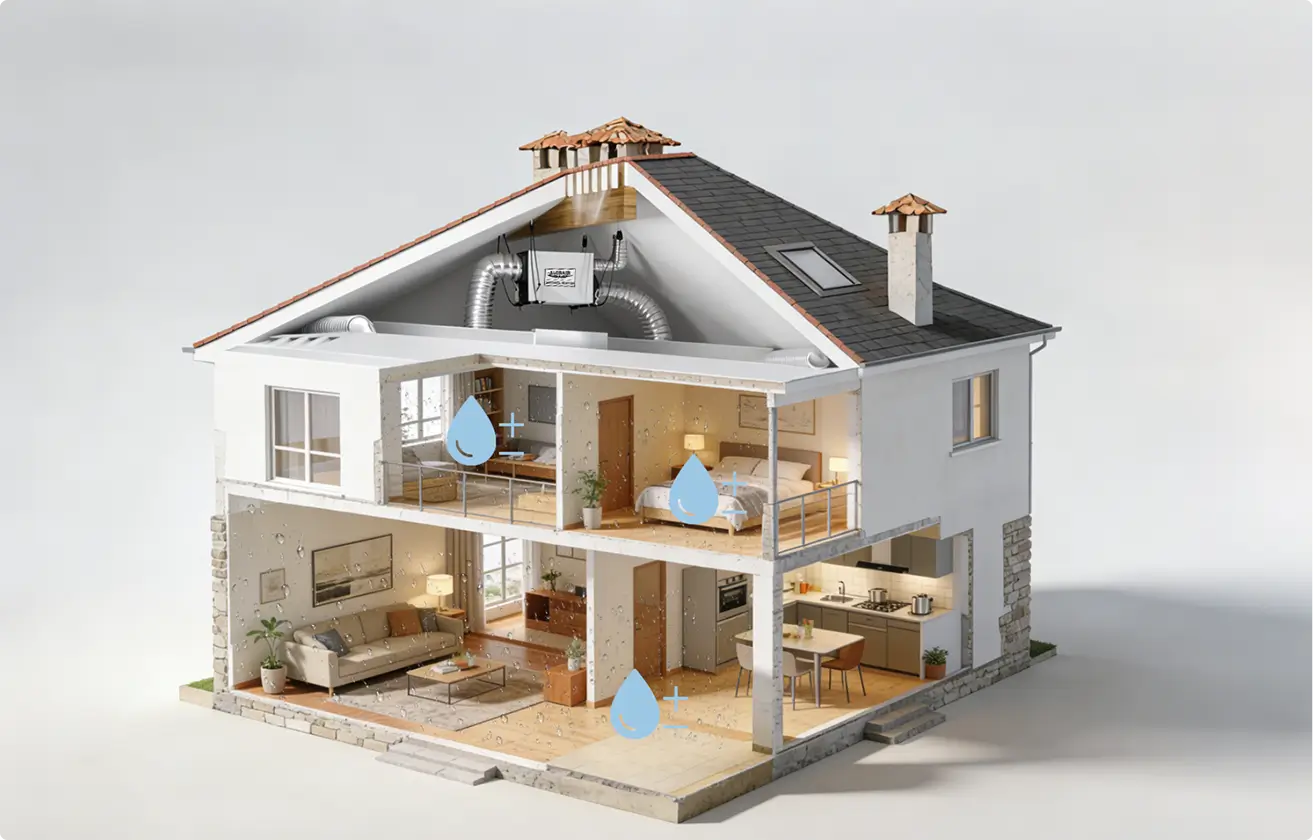
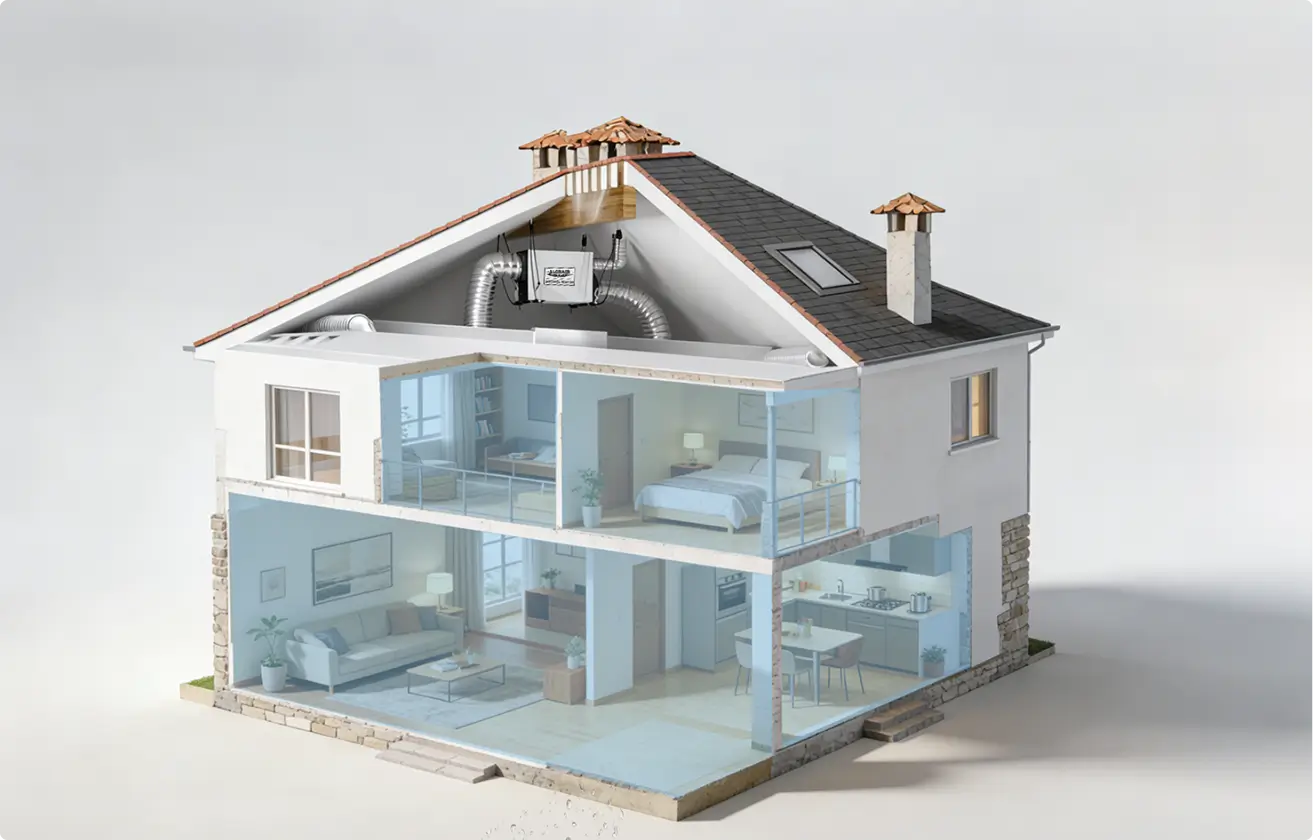
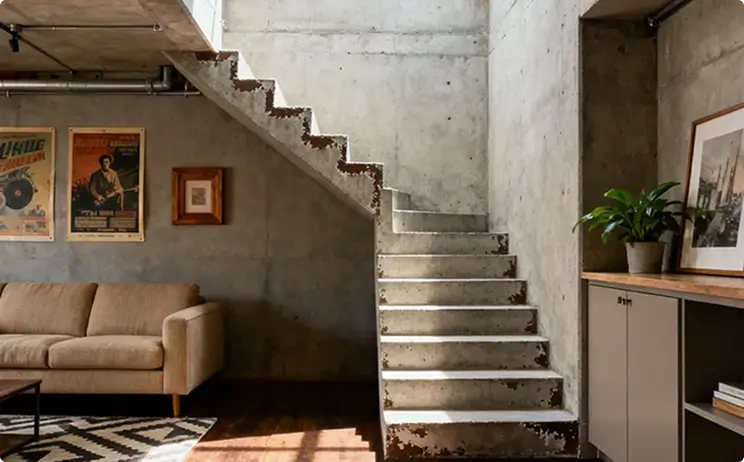
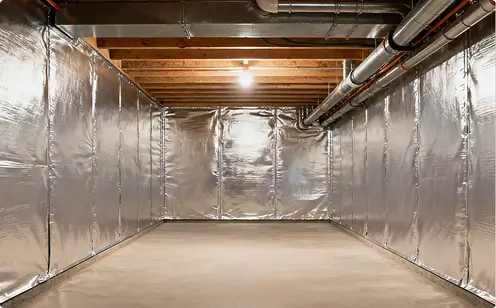
Say goodbye to damp spots and embrace a dry, comfortable home. AlorAir whole house dehumidifier systems seamlessly integrate with your HVAC system to maintain the ideal 45–55% humidity range. Designed to address the root causes of excess moisture, these systems help prevent mold growth, structural damage, and poor indoor air quality—delivering reliable, whole-home humidity control for residential and light commercial spaces.

Whole Home Dehumidifier Performance Features

Adjustable Fan Speed

Choose from multiple settings to find the perfect balance between effective dehumidification and quiet operation for any room.

Fresh Air Exchange Capability

Choose from multiple settings to find the perfect balance between effective dehumidification and quiet operation for any room.

HVAC Integration Mode

Works seamlessly with your heating and cooling system to manage both temperature and humidity efficiently.

Energy Efficient Operation

Uses intelligent humidity management to optimize performance based on the actual moisture in the air, which can reduce energy costs.

Built-in Condensate Pump

Makes installation flexible and easy by pumping collected water to a drain, even if it's located above or far from the unit.

MERV 10 Air Filtration

Doesn't just remove moisture; it also cleans the air by trapping dust, pollen, and other particles.

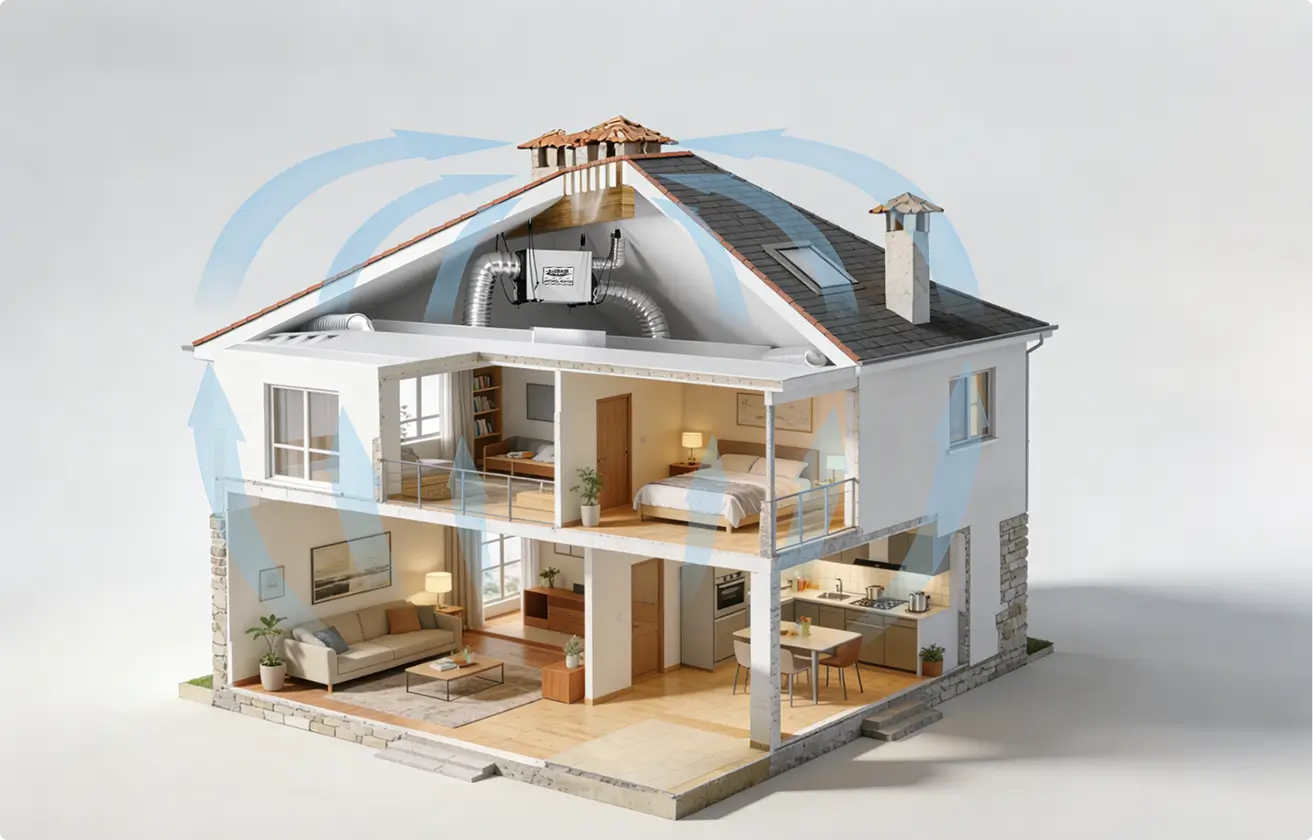
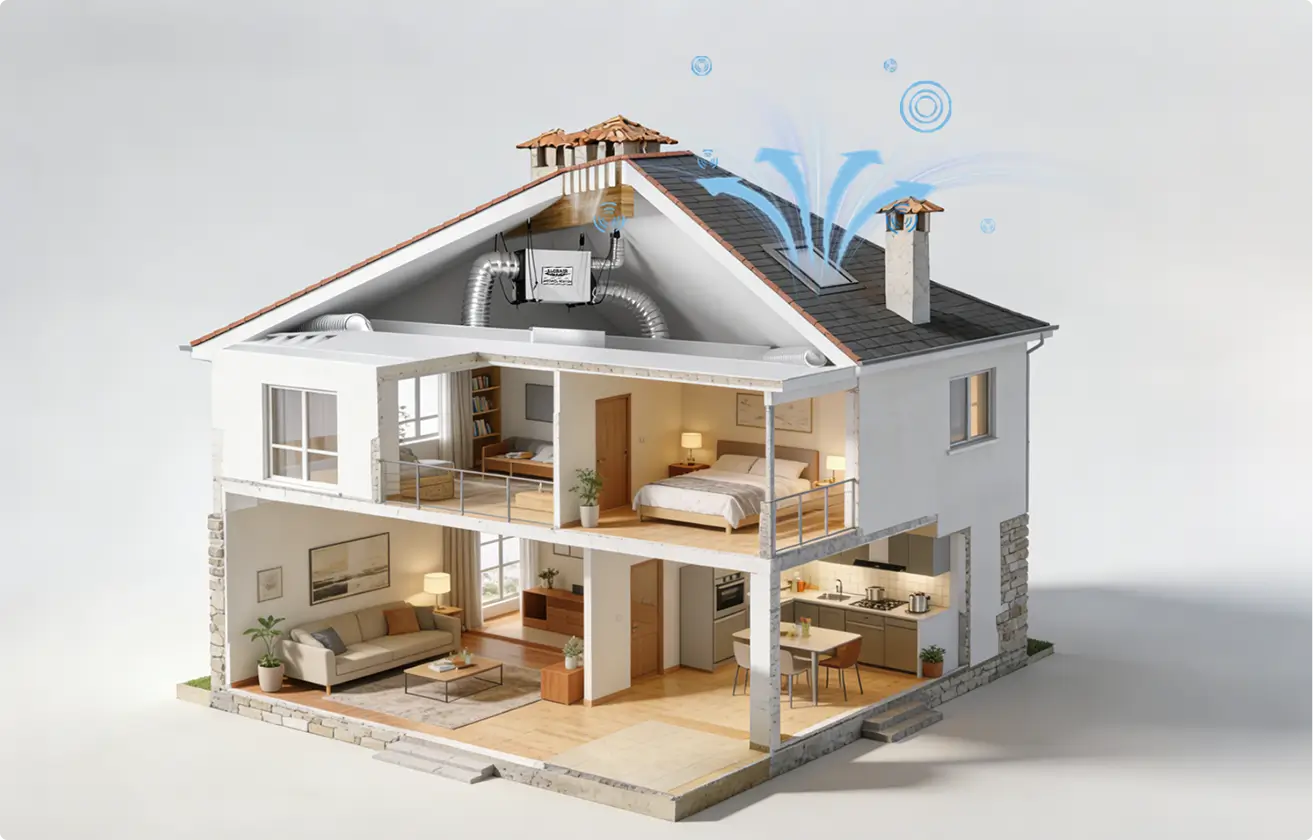
HVAC Integrated Dehumidifiers | Whole-Home Climate Control

When connected to your ducts, our whole house dehumidifier becomes a central part of your home’s climate system.

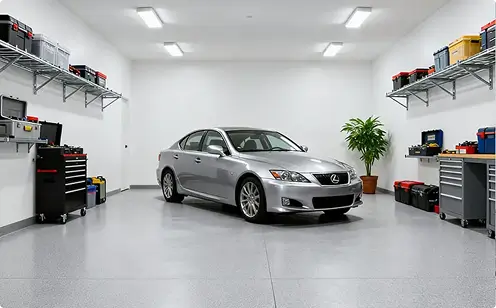
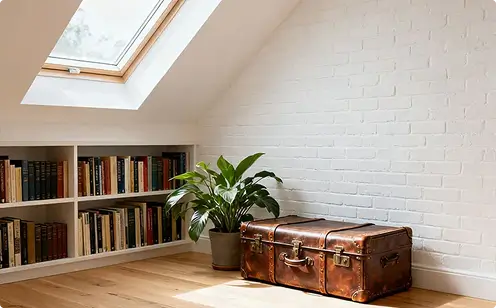
Whole House Dehumidifier Applications

Dehumidifier FAQs | AlorAir Support

What size whole-house dehumidifier do I need?

Sizing depends on your home’s square footage, ceiling height, baseline humidity level, and climate. A general rule is that a 2,500 sq ft home may need a 90-110 PPD (pints per day) unit, while a 4,000 sq ft home could require 140+ PPD.

📖 Dive Deeper: For a precise calculation that includes room-by-room assessments and factors like airflow, read our comprehensive guide: “How Do I Know What Size Dehumidifier I Need?”.

A whole-house unit integrates with your HVAC system to control humidity throughout the entire home silently and efficiently. A portable unit is designed for single-room use, requires manual emptying, and can be noisy.

📖 Dive Deeper: To help decide which type is best for your situation, see our comparison: “6 Clear Signs Your Home Needs a Dehumidifier”, which includes a section on system types.

The recommended range for health, comfort, and home protection is 45–55% relative humidity (RH). This level inhibits mold growth, dust mites, and condensation.

📖 Dive Deeper: Learn exactly how to measure, achieve, and maintain this perfect balance year-round in our detailed article: “What is the Ideal Humidity Level in a House?”.

A dehumidifier does not “kill” existing mold, but it is the most effective tool to prevent mold growth by removing the moisture mold needs to live. By maintaining humidity below 60%, you can stop new mold in its tracks.

📖 Dive Deeper: Understand the science behind mold and moisture in our explainer: “Can a Dehumidifier Kill Mold? ” and “How long does it take for mold to grow?”.

Yes, for most homeowners seeking comprehensive protection and comfort. Benefits include whole-home coverage, greater energy efficiency (vs. running an AC just to dehumidify), reduced maintenance, structural protection, and improved air quality.

📖 Dive Deeper: If you’re considering the DIY route, please first review our step-by-step safety and installation guide: “Is a Whole-House Dehumidifier Worth It?”.

While possible for those with advanced HVAC skills, we strongly recommend professional installation. Proper integration with your existing ductwork and HVAC system is crucial for optimal performance, efficiency, and warranty validity.

📖 Dive Deeper: If you’re considering the DIY route, please first review our step-by-step safety and installation guide: “Best Method to Install a Whole-House Dehumidifier”.

In “HVAC Integration Mode,” the dehumidifier works in sync with your heating and cooling system. It can operate independently to control humidity without overcooling the air, making it far more efficient than using an AC alone for dehumidification.

📖 Dive Deeper: See how it integrates into your ducts and the technology behind smart climate control here: “How to Incorporate a Dehumidifier into Ducting”.

Modern, energy-efficient whole-house dehumidifiers (like those with Energy Star certification) are designed to be cost-effective. Their smart operation and high efficiency mean they use less energy than you might think, especially compared to the alternative of mold damage or running an AC unit excessively.

📖 Dive Deeper: For tips on maximizing efficiency and lowering running costs, read: “5 Pro Tips to Maximize Your Dehumidifier’s Performance & Save Energy” and “Do Dehumidifiers Use a Lot of Electricity?”

Shopping Cart
Scroll to Top