
Attic Dehumidifier Solutions for Moisture & Mold Control
Attics are often overlooked when it comes to moisture issues, but controlling humidity in this space is essential for maintaining indoor air quality and protecting your home. Excess attic moisture can lead to mold growth, insulation damage, and reduced energy efficiency. A properly sized attic dehumidifier can help prevent these issues, maintaining stable humidity levels and safeguarding your attic and living spaces below.
Moisture Control Where Problems Often Go Unnoticed
Recommended Dehumidifiers for Residential Attics
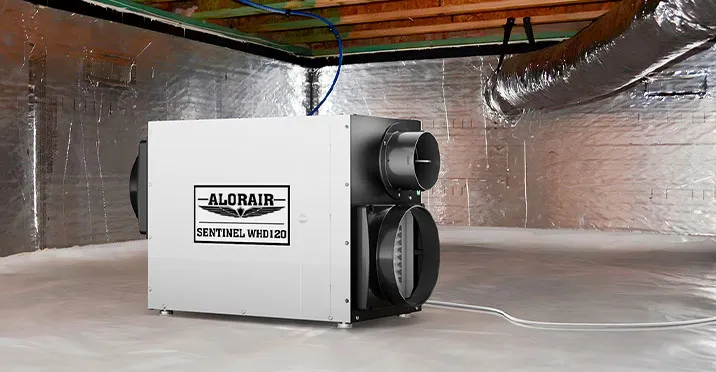
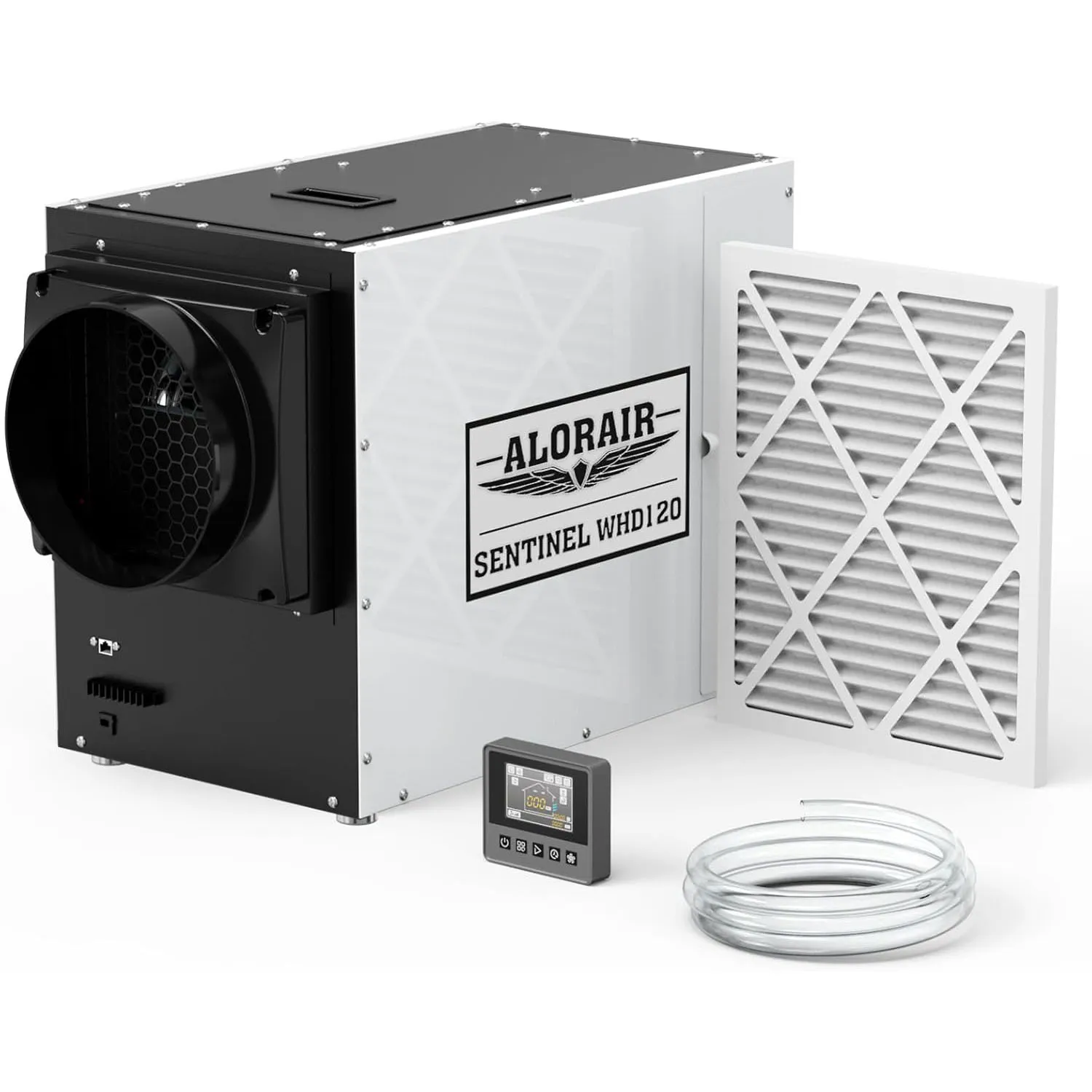
AlorAir Sentinel WHD 120

Sentinel WHD 100 dehumidifier
A compact dehumidifier for attic spaces with moderate humidity levels, ideal where lower capacity is sufficient.
- Best for Small or Well-Ventilated Attics
- Removes 90 pints per day
- Upgraded Fresh Air Function
- Pump drainage system
- Energy-efficient performance
- Auto-defrost for cold conditions

Sentinel WHD 150 dehumidifier
Designed for large attic volumes, older homes, or humid climates where enhanced moisture removal and long-term attic humidity control are required.
- Best for Large or High-Humidity Attics
- 140 PPD capacity at AHAM conditions
- Heavy-duty moisture removal
- Robust pump system
- Corrosion-resistant components
- Advanced filtration system
Why Attic Humidity Matters
Mold Growth & Indoor Air Quality
Warm, humid air trapped in attics creates ideal conditions for mold and mildew. Spores can spread through ductwork and ceiling penetrations, affecting indoor air quality in living spaces below.
Many homeowners underestimate how quickly mold can begin forming once attic humidity rises.
Insulation & Structural Damage
Reduced Energy Efficiency
Why Attics Develop Humidity Problems
Poor Ventilation Design
Many attics lack adequate airflow, allowing warm, moist air to become trapped—particularly in older homes or sealed attic designs.
Stack Effect & Air Leakage
Warm air from living spaces rises into the attic, carrying moisture through ceiling penetrations and gaps. While this affects overall home humidity, its impact is most concentrated in the attic.
Seasonal & Climate Factors
Humid summers, snowmelt, and temperature fluctuations all contribute to condensation and moisture retention in attic spaces, increasing the need for active attic humidity control.
How to Dehumidify an Attic Effectively
Use a Dedicated Attic Dehumidifier
Ventilation alone rarely maintains safe humidity levels year-round. A dedicated attic dehumidifier actively removes moisture and stabilizes relative humidity.
Maintaining indoor humidity between 40% and 60% helps reduce mold risk in attic environments, in line with widely accepted indoor air quality guidance.
Attic-Localized Ducting Options
Attic dehumidifiers can operate as standalone units or connect to localized attic ducting to improve airflow distribution—distinct from whole-house ducted systems.
This guide explains how to incorporate a dehumidifier into ducting when airflow distribution is required.
Continuous Drainage & Low Maintenance
A dehumidifier with a built-in pump enables continuous drainage, ensuring reliable operation in hard-to-access attic spaces with minimal maintenance.

Attic Dehumidifier FAQs
Is attic dehumidification necessary?
Is dehumidification better than ventilation alone?
What is the ideal attic humidity level?
The ideal attic humidity level should be maintained between 40% and 50% relative humidity (RH). This range aligns with EPA recommendations for preventing mold growth and minimizing dust mites, while also protecting wood and insulation from moisture damage. Consistently exceeding 60% RH significantly increases the risk of structural decay and mold-related air quality issues.
Can I install a dehumidifier in the attic myself?
Yes, self-installation is possible for most handy homeowners, but critical considerations are a must. Ensure there is a dedicated electrical outlet, a secure and level placement away from insulation, and a plan for continuous drainage (a pump-equipped model is strongly recommended). Always consult the manual and local codes. For complex situations or hardwiring, professional installation is advised to ensure safety and optimal performance of your attic dehumidifier.
