
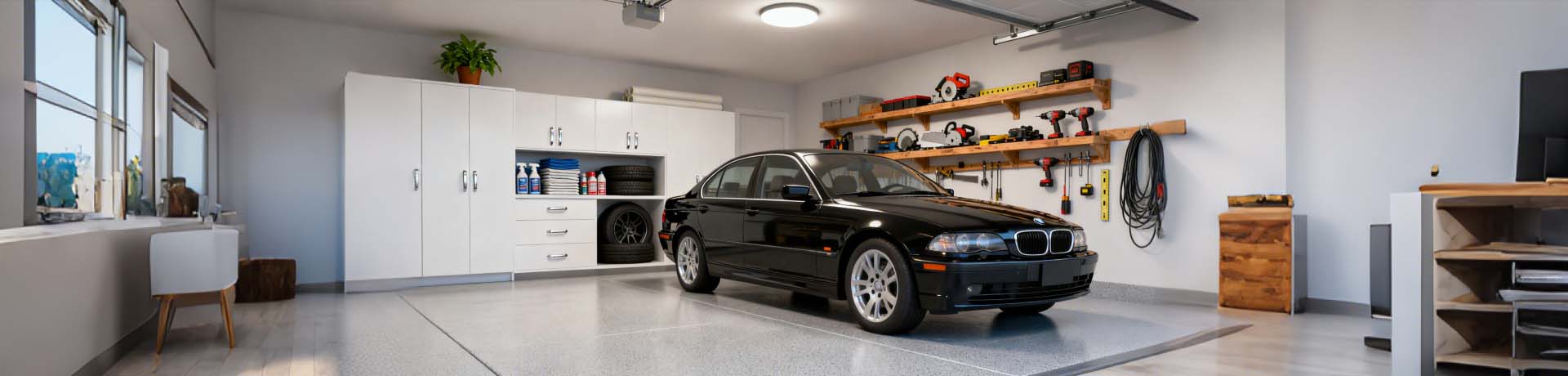





Garages are more than just parking spaces. They store tools, seasonal items, and sometimes serve as workshops. However, high humidity can quickly turn them into a problem zone, causing rust on metal, warping wood, and promoting mold growth. Controlling moisture early prevents rust, material damage, and mold growth. This guide provides practical, easy to follow steps for dehumidifying a garage and recommends reliable tools that effectively reduce humidity and prevent mold.
Why is My Garage So Humid? Understanding Humidity in the Garage
Are you wondering why is my garage so humid? Garage moisture usually comes from a few common sources. Spotting them helps you act early to avoid big issues.
Common Causes of Moisture in the Garage
Poor ventilation traps moist air, especially in attached garages where home humidity leaks in. Ground vapor rises through concrete after rain, a problem worsened by high water tables. Leaks from pipes or bad drainage let water pool and evaporate. Temperature drops cause condensation to form on cool floors. Hot cars parked inside add bursts of humid air. Together, these factors trap moisture inside the garage.
The Impact of High Humidity in the Garage on Your Belongings
High moisture in the garage harms more than comfort. Tools rust, lose sharpness, and boxes soften and fail. Wood warps, making it unusable. Mold growth becomes likely when humidity stays above 60% for extended periods. Cars face paint fading and electrical shorts. Tires and batteries wear out sooner. Quick action saves these from early damage and is essential for knowing how to prevent mold in garage effectively.
How to Reduce Humidity in the Garage: Basic Strategies
Begin by sealing leaks and improving airflow; these steps are the first part of learning how to reduce humidity in garage effectively before relying on a dehumidifier for garage.
Natural Ways to Dehumidify a Garage without Equipment
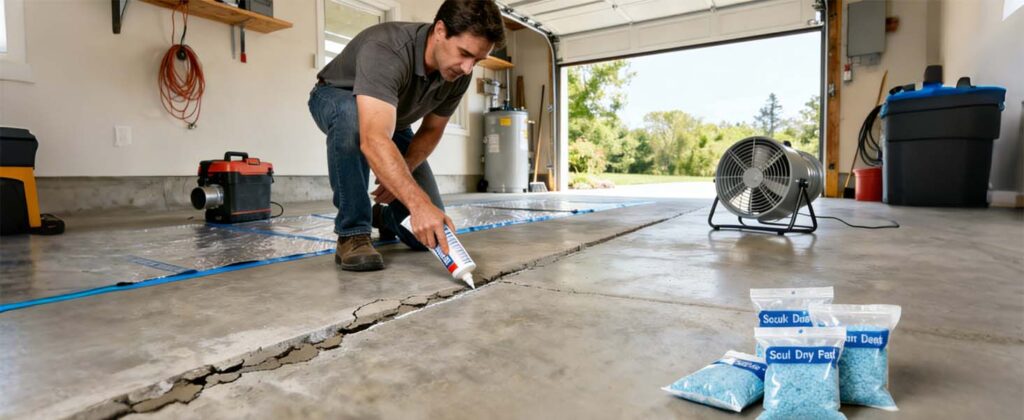
Seal cracks with caulk or strips to stop outside air. Add exhaust fans to push out stale air. Seal concrete floors with vapor barriers. Use salt or silica packs in spots for small pulls. Open doors on dry days to allow airflow. These methods help only when humidity levels are mildly elevated.
Why a Garage Dehumidifier is Essential for Effective Garage Dehumidification
Basic steps help, but heavy moisture requires proper garage dehumidification with a garage dehumidifier. It actively removes moisture and keeps humidity below mold-friendly levels. While fans can circulate air, they do not remove moisture. A garage dehumidifier actively collects water and keeps humidity at safe levels. For big or busy garages, they end damp cycles and protect goods. This makes selecting the right dehumidifier for garage environments a crucial decision.
Choosing the Best Dehumidifier for Your Garage
Consider AlorAir units while reviewing these features to match your garage size and moisture load—explore models to find the best dehumidifier for your garage for reliable moisture control.
Key Features to Look for in a Garage Dehumidifier
- Powerhouse Capacity: Designed to remove large amounts of moisture in oversized garages.
- Energy Saver: Designed for efficient operation, reducing power consumption while running continuously.
- Cold-Proof Defrost: Automatic defrost system ensures smooth performance in cooler conditions, preventing ice buildup.
- Smart Humidistat: Maintains a balanced humidity range automatically, delivering steady and reliable control.
- Rust-Fighter Coils: Corrosion-resistant construction performs reliably in dusty and damp environments.
- Whisper-Quiet: Runs quietly enough for workshop and storage use.
Garage Dehumidifier with Pump vs. Garage Dehumidifier with Drain Hose: Which Is Right for You?
- Pump systems: move water to higher drains, suitable for garages without floor drains, but they cost more and require installation.
- Drain hoses:Rely on gravity, connect easily to floor drains, and remain simple and cost-effective. A garage dehumidifier with drain hose is ideal for most slab garages.
- Best fit: Drain hoses suit most slab garages, while pumps are useful when gravity drainage is not possible.
Why AlorAir Is the Top Choice for Dehumidifying a Garage
AlorAir units meet industry standards such as ISO 9001 and OSHA recommendations for safe moisture control, ensuring reliable performance in challenging garage and workshop environments. When looking for the most effective method to dehumidify a garage, AlorAir’s engineered solutions stand out.
How AlorAir’s Garage Dehumidifier Excels in Moisture Control
AlorAir products stand out for several reasons:
- High moisture removal capacity: These units handle large volumes of air and humidity.
- Industrial‑grade components: Their compressors and coils are built for long life.
- Multiple models for different needs: From whole‑home solutions to garage‑specific machines.
- Flexible drainage: Choose units that support both pump and gravity drain options, depending on setup.
Here are a few top models to consider:
Model | Key Features | Best For | Why It Is a Strong Choice for Garage Dehumidification |
Covers up to 3800 sq. ft. area, 140 PPD (AHAM) Commercial-grade compressor, durable housing, pump & drain options | Large garages, workshops, severe moisture issues | Built for continuous operation in dusty, high-moisture garage environments. | |
Cover up to 2300 sq. ft. area, 90 PPD (AHAM), Compact design, energy-efficient operation, continuous drainage | Small to medium residential garages | Ideal for everyday garage moisture control where space and energy savings matter. | |
Cover up to 3000 sq. ft. area, 104 PPD (AHAM), stable performance, low maintenance | Medium garages with moderate humidity | Offers stronger drying power than entry models while remaining efficient and easy to install. | |
Cover up to 3500 sq. ft. area, 140 PPD (AHAM), High airflow, robust internal components, flexible drainage | Large garages and storage areas | Maintains consistent humidity levels even in busy garages with frequent door opening. | |
Cover up to 4500 sq. ft. area, 165 PPD (AHAM), long runtime design, precise humidistat | Very large garages or garage-home combined spaces | Provides whole-space moisture control where standard residential units fail to keep up. |
Step‑by‑Step Guide: How to Dehumidify a Garage Using an AlorAir Unit
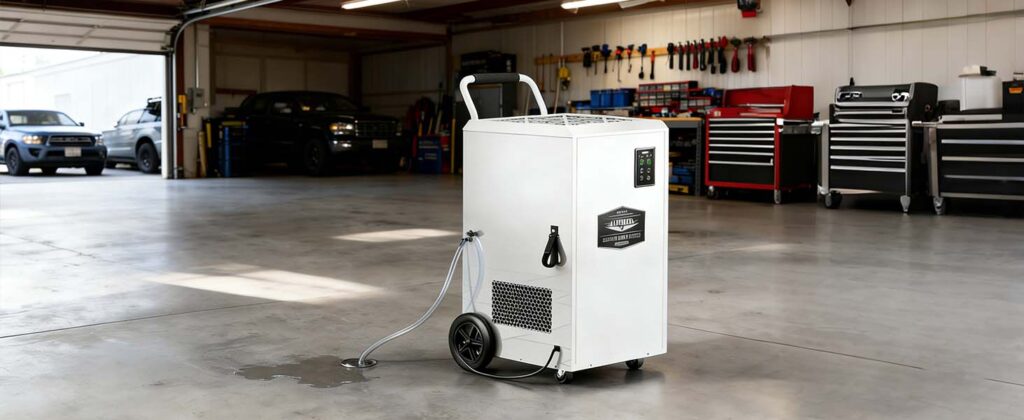
Proper placement and setup are necessary for effective moisture control. Follow this practical setup process:
Setting Up Your Garage Dehumidifier for Optimal Performance
- Measure your garage to determine square footage and typical moisture load.
- Place the dehumidifier where airflow is unobstructed and away from walls.
- Set up drainage: install a pump or connect a hose to a nearby drain.
- Seal gaps: weather strip doors and fill cracks to prevent moisture entry.
- Plug in the unit and set the target humidity to 45–55% RH.
Maintenance Tips to Keep Humidity under Control
- Clean filters monthly.
- Check drain lines regularly for clogs or leaks.
- Inspect coils for frost during cold weather.
- Operate the dehumidifier when humidity is highest to maintain consistent moisture control.
By following these setup and maintenance steps, you can effectively dehumidify your garage and prevent rust, mold, and material damage. AlorAir’s Sentinel series offers industrial-grade reliability, quiet operation, and flexible drainage, making it an ideal dehumidifier for garage and professional workshop use. Explore models today to start dehumidifying your garage and protect your investment. Shop Whole Home Dehumidifiers.