





Excess humidity often creeps into homes without notice. It turns comfortable spaces into breeding grounds for problems. When moisture levels rise above 60% relative humidity, both health and structure suffer. Mold, odors, and damp walls become common signs of hidden damage. The ideal indoor humidity level is between 45% and 55%, where comfort and safety align. In fact, studies by the U.S. Environmental Protection Agency (EPA) reveal that over 20% of U.S. homes face mold issues due to excess humidity. Acting early helps protect your home, your family’s health, and your finances from the costly impact of moisture.
The Hidden Threat inside Your Home: Excess Humidity
Humidity seems harmless at first, but its damage builds quietly. Warm air holds water vapor, and when it cools indoors, moisture settles on surfaces. This hidden process causes serious home humidity problems over time. Walls absorb the dampness, floors swell, and paint begins to peel. Gradually, this silent humidity damage in home structures weakens foundations and materials.
How Excess Moisture Spreads and Damages
Experts say excess humidity acts like a slow poison. The U.S. Environmental Protection Agency (EPA) warns that levels above 60% encourage mold growth. Spores travel through vents and cling to fabrics, carpets, and wood. This leads to decay, foul odors, and costly repairs.
Health and Air Quality Risks
When indoor humidity rises, air quality suffers. Dust mites multiply, bacteria thrive, and allergens circulate freely. Families breathe air every day, putting children and elders at greater risk.
Moisture Damage Prevention Starts with Awareness
Sticky doors, musty smells, and foggy windows all signal rising humidity. Identifying these signs early and taking steps for moisture damage prevention protects your health, comfort, and investment.
How Humidity Damages Your Home (and Wallet)
High humidity strikes quietly, damaging the materials you value most. Costs pile up quickly, as a single mold outbreak can exceed $2000. Understanding how moisture harms your home helps prevent costly repairs.
Warped Wood and Peeling Paint
Wood absorbs moisture easily, expanding unevenly when humidity rises. Floors buckle underfoot, and doors stick in frames. Cabinet doors gap open, while attic beams may weaken over time.
Paint also suffers when trapped moisture collects beneath surfaces. Layers bubble, peel, and fade prematurely, forcing frequent repainting. If wood remains wet for long, rot sets in and repairs become unavoidable.
According to the National Association of Home Builders, humidity-related wood damage accounts for nearly 15% of home repair claims. In coastal and tropical regions, warped hardwood floors alone can cost thousands to replace. Consistent moisture control is vital to protect wood surfaces and preserve property value.

Mold, Mildew, and Allergens
Mold thrives in damp, dark spaces, especially when humidity exceeds 60%. Within just 24 to 48 hours, spores begin to germinate, leaving black patches on ceilings, grout lines, and bathroom tiles. These growths release allergens that irritate the eyes, nose, and lungs. Sneezing, coughing, and asthma flare-ups are common—conditions the World Health Organization directly links to indoor mold exposure.
Left unchecked, mold spreads through HVAC ducts and insulation, making cleanup both difficult and expensive. Beyond health risks, the damage lowers air quality, drains energy, and erodes home comfort. Effective mold and mildew control begins with consistently dry surfaces, steady airflow, and vigilant monitoring.
Condensation and Structural Damage
Condensation occurs when warm, moist air meets cold surfaces. Water droplets pool on sills and seep into walls. Brick, drywall, and insulation absorb moisture, encouraging rot and clumping. Furniture warps, foundations crack, and basements show white efflorescence from rising damp. Structural damage from humidity weakens load-bearing elements. Homes in humid climates face double the risk. Regular inspections and moisture management prevent long-term harm.
Electronics and Comfort
High humidity corrodes electronic circuits, causing short circuits, glitches, and early failure. Moist air also feels heavy, disrupting sleep and comfort. Air conditioners work harder, raising energy bills. Using a dehumidifier reduces moisture, maintains comfort, and protects both home humidity problems and indoor air quality.
Why Your Home Gets Too Humid
Humidity sources often hide in plain sight. Daily life creates steam and vapor. Warm outdoor air carries more moisture during summer months. Recognizing these causes is key to preventing home humidity problems.
Poor Ventilation in Bathrooms, Kitchens, and Basements
Steamy showers, cooking vapor, and damp basement air are common but often overlooked sources of indoor humidity. Without proper ventilation—like fans or open windows—moisture lingers, walls absorb dampness, floors swell, and furniture warps. Clogged vents or failing exhaust fans worsen the problem, and below-grade basements may draw groundwater through cracks, fueling structural damage over time.
Outdoor Humidity Infiltration during Monsoon or Coastal Climates
Monsoon rains and coastal winds carry moist air indoors. Gaps in siding and poorly vented attics trap vapor. Tropical regions see outdoor humidity levels exceeding 80%, soaking homes like sponges. Sealing cracks blocks this constant moisture influx.
Everyday Habits
Drying laundry indoors releases gallons of water. Long hot showers create clouds of steam. Furniture blocking vents reduces airflow. Small daily habits accumulate, worsening home humidity problems. Simple changes can greatly aid moisture damage prevention.

How to Fight Back—Smart Humidity Control That Works
Keeping humidity under control starts with simple daily habits. Use the right tools and consistent monitoring to maintain balance indoors. A steady range between 45-55% keeps your home comfortable and mold-free.
Monitor and Measure
Start by tracking humidity with a digital hygrometer. These small devices cost little but reveal a lot. Place one in key areas like bathrooms, basements, and bedrooms. Many models connect to apps that log data and show daily changes. Real-time tracking helps you adjust before moisture becomes a problem.
Ventilate and Maintain
Open windows on dry days to let air circulate. Run exhaust fans while cooking or showering. Clean vents and filters every few months for better airflow. Repair roof or pipe leaks quickly to prevent hidden dampness.
Dehumidify with Confidence
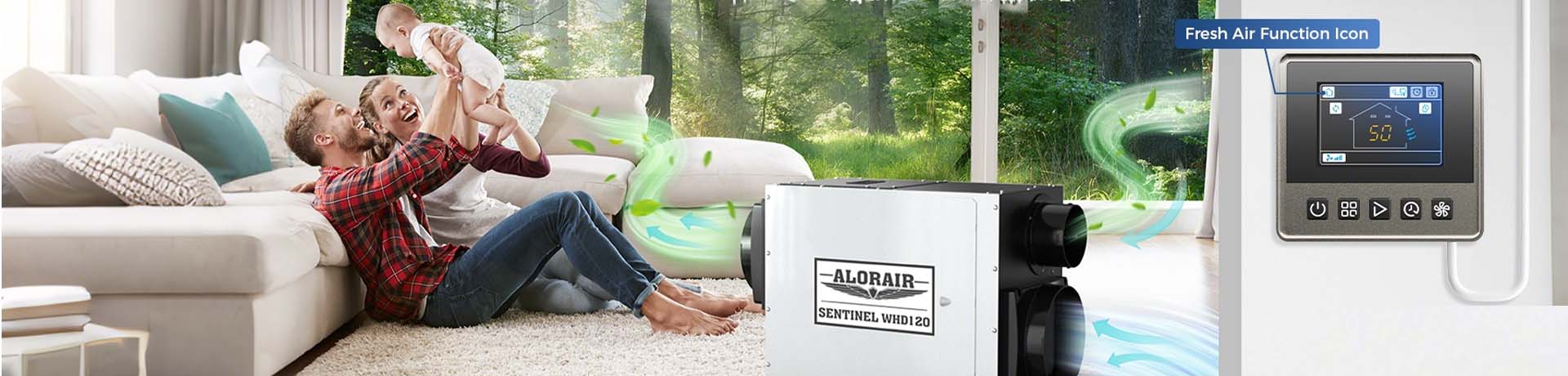
When natural methods fall short, dehumidifiers take charge. They pull water from the air, lowering levels fast. Choose units sized for your space. For homeowners looking for reliable, high-performance solutions, specialized brands like AlorAir offer advanced technology designed to maintain optimal humidity levels efficiently.
What makes AlorAir different is its advanced SLGR technology. It boosts moisture removal by up to 30%, even in cool, damp areas. The eco-friendly R32 refrigerant keeps energy use low. Auto-defrost prevents freezing issues, while auto-restart ensures reliability. With a 5-year warranty, AlorAir guarantees lasting humidity control.
For small homes or apartments with damp basements, the AlorAir Sentinel WHD 100 is ideal. It covers up to 2,300 square feet, removing 90 pints daily at 80°F and 60% RH. With 2.6 liters per kilowatt-hour efficiency, it saves energy and money. A MERV-10 filter cleans the air, while its fresh air damper prevents musty odors, keeping every corner comfortably dry.
For larger homes, the AlorAir Sentinel WHD 150 brings steady humidity control. It covers up to 3,500 square feet and removes 140 pints daily. With dual MERV filters and a fresh air damper, it improves air quality. Energy-efficient and flexible for ducting, it suits basements or laundry areas perfectly, keeping spaces dry and comfortable year-round.
For large spaces or demanding jobs, the AlorAir Sentinel SLGR 1400X delivers. It covers 3,800 square feet, removing 140 pints daily with strong 440 CFM airflow. Perfect for restoration or warehouses, it filters dust with MERV-10 precision and vents stale air. Built for performance, it runs smoothly from 36°F to 102°F, ensuring reliable humidity control year-round.
Why AlorAir
Many dehumidifiers work fast but do not last long. AlorAir is built strongly with smart sensors and quiet performance. There is no need to empty tanks daily—just set it once, and it quietly keeps your home dry, fresh, and comfortable throughout the year.
